







Mandatory Receipt Data Reporting Begins This Autumn
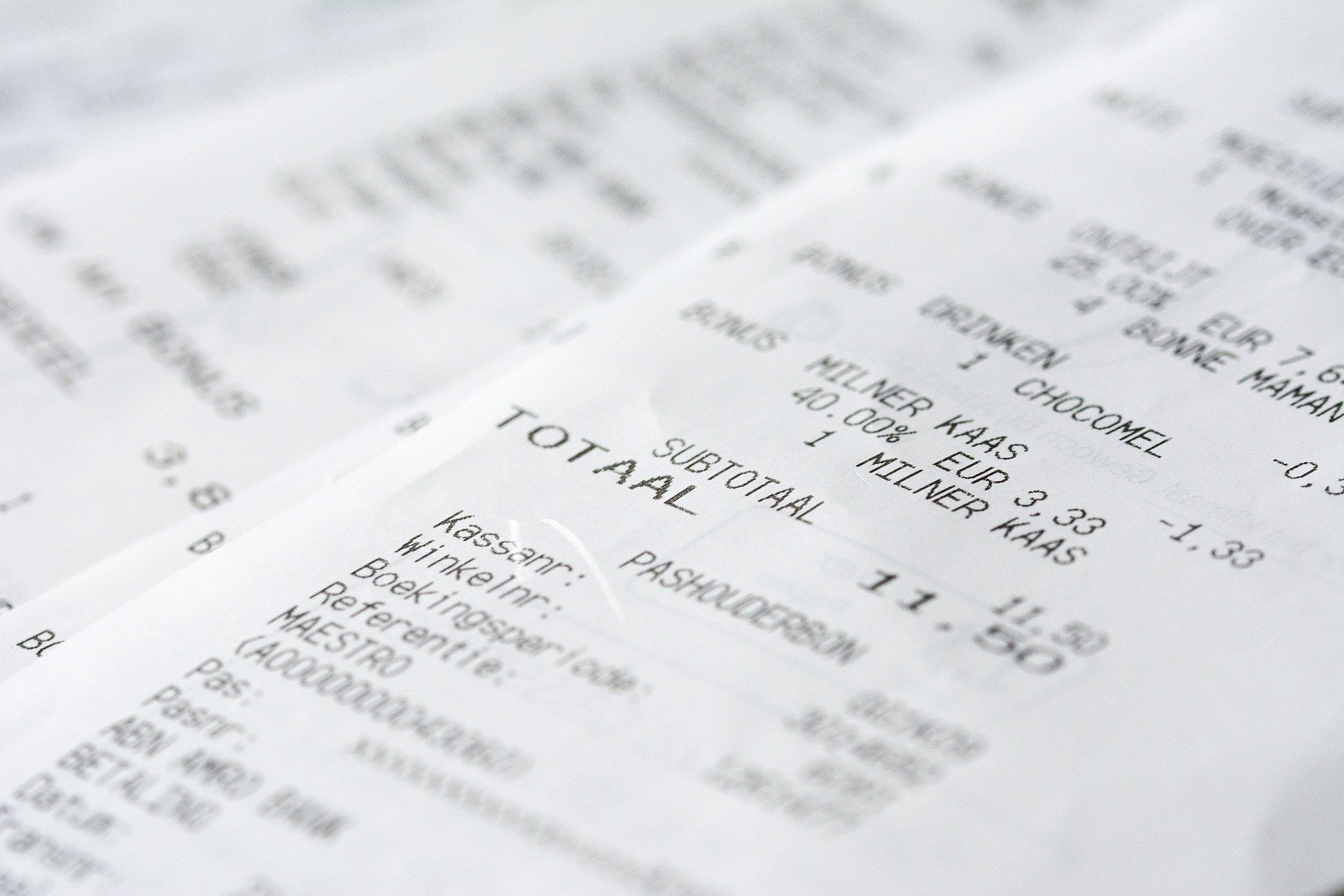
The introduction of electronic data reporting for receipts has already been discussed previously; however, the Government ultimately postponed it until this autumn. Annex 11 of the VAT Act will enter into force on 1 September 2026, and from that date the general obligation to report receipt data will apply. Although September still seems far away, it is advisable to begin preparations now.
Below we briefly summarise the most important information related to the topic.
Which receipts must be reported?
From September, all receipts will be subject to data reporting, although the method of reporting will differ depending on the type of receipt.
How must receipt data be reported?
For receipts issued via online cash registers and the e-cash registers that have been permitted since last summer, data must already be reported in real time and automatically in accordance with separate legal requirements.
From 1 September 2026, data relating to hand-written receipts and computer-generated receipts must be reported within 3 calendar days following their issuance via the electronic interface provided by the Hungarian Tax Authority (NAV) for this purpose. The electronic interface may be used after requesting the data necessary for uniquely identifying the taxpayer. These identification details must be requested by the taxpayer or their permanent authorised representative.
Data reporting may be performed by the taxpayer, their permanent authorised representative, or a person designated by them within the electronic interface. It is also possible to designate a person who will be granted access to the data provided on the electronic interface.
Data must be reported on a daily aggregated basis, broken down by tax rates.
The data reporting obligation does not apply when a taxpayer operating a cash register is exempted from issuing receipts via the cash register due to extraordinary circumstances listed in the legislation, and temporarily fulfils the receipt-issuing obligation using paper forms.
According to NAV, introducing data reporting for hand-written and computer-generated receipts is necessary because, while receipt data from online cash registers and now e-cash registers are automatically transmitted, NAV requires these additional data to provide taxpayers with complete, receipt-based services—such as returning receipt information to support bookkeeping, or enabling functions within the eVAT (eÁFA) system.
If you have any questions regarding receipt data reporting, please feel free to contact our experts.